Understanding Your Prostate Cancer Prognosis
A prostate cancer prognosis is an estimate, not a deadline. The most useful assessment combines the cancer's stage, Grade Group, PSA pattern, imaging and biopsy findings with your age, general health and response to treatment.
The factors that matter most
Stage describes where cancer is located: confined to the prostate, extending into nearby tissue or lymph nodes, or spread to distant organs. Cancer that remains localized is often highly treatable, while metastatic disease usually requires long-term systemic treatment.
Grade Group, based on the Gleason pattern seen in biopsy or surgical tissue, estimates how aggressive the cells appear. Grade Group 1 generally behaves less aggressively than Groups 4 or 5, but grade must be interpreted alongside stage, tumor volume and PSA.
- PSA level and how it changes over time
- Biopsy Grade Group and the number of involved samples
- MRI, bone imaging or other staging results
- Lymph-node or distant-organ involvement
- Genomic or inherited-risk testing when clinically appropriate
- Overall health and ability to tolerate treatment
Why one number cannot predict an individual outcome
Population survival statistics combine people with different ages, treatments and tumor biology. Ask your clinician which risk group applies to you and whether an estimate describes cancer-specific survival, overall survival, treatment response or recurrence.
Localized, regional and metastatic disease
Localized prostate cancer has not been found outside the prostate. Depending on its risk category, management may involve active surveillance, surgery, radiation or another carefully selected approach.
Regional disease has reached nearby structures or lymph nodes. Metastatic disease has spread farther, commonly to bone or distant lymph nodes. Modern hormone-based combinations, chemotherapy, targeted drugs and radiopharmaceuticals can control advanced disease, but the expected course varies substantially.
- Localized does not automatically mean treatment is needed immediately.
- Regional disease may still be treated with a combination intended to control or sometimes eradicate visible cancer.
- Metastatic disease is not one uniform category; the amount, location and treatment sensitivity of spread affect outlook.
Recommended Products
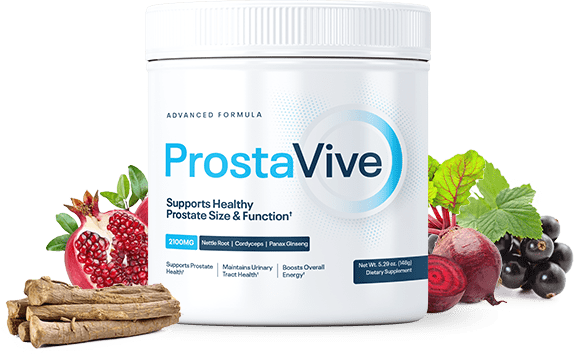
prosta vive
The seller presents Prosta Vive as a once-daily powder mixed with water or another beverage. Its disclosed components include artichoke extract, zinc and vitamin D, with marketing focused on prostate wellness, urine flow and sexual energy rather than demonstrated cancer outcomes.
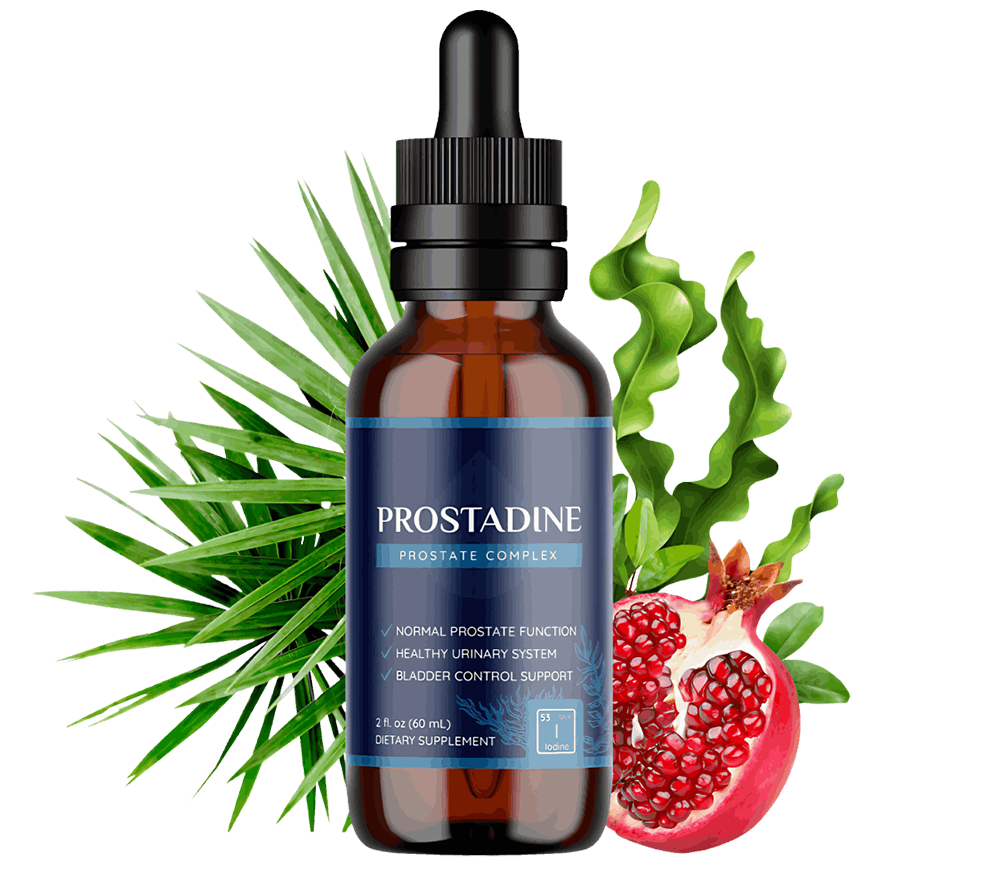
prostadine
Prostadine is marketed as a daily, plant-based prostate and urinary-support supplement. The supplied excerpt does not provide a complete ingredient panel and includes unsubstantiated claims involving toxic minerals and hard water, so it does not establish cancer prevention or reversal.

flowforce
FlowForce Max is presented as a chewable soft candy containing a proprietary blend. The seller specifically lists Graminex flower pollen extract, saw palmetto fruit extract and peppermint leaf extract, but the excerpt does not disclose the amount of each component.

protoflow
Protoflow is described by its seller as a dietary formula intended to support normal prostate and bladder function. The supplied material calls its components natural and organic but does not name specific ingredients or provide evidence sufficient to assess the finished formula's clinical effectiveness.

viriflow
ViriFlow is sold in a liquid-drop format with a proprietary herbal blend. The seller names wakame, shilajit and neem and promotes urinary-flow and prostate-balance benefits, but the supplied text does not show that the product treats BPH or affects prostate cancer.
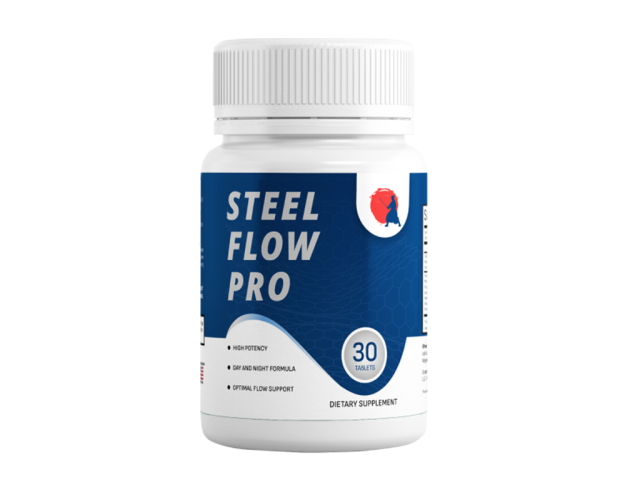
steel flow pro
Steel Flow Pro is promoted as a Japanese-inspired 10-in-1 prostate wellness formula. Its merchant describes a combination of antioxidants, minerals, vitamins and herbs, but the supplied excerpts do not clearly identify all ten components or their quantities.
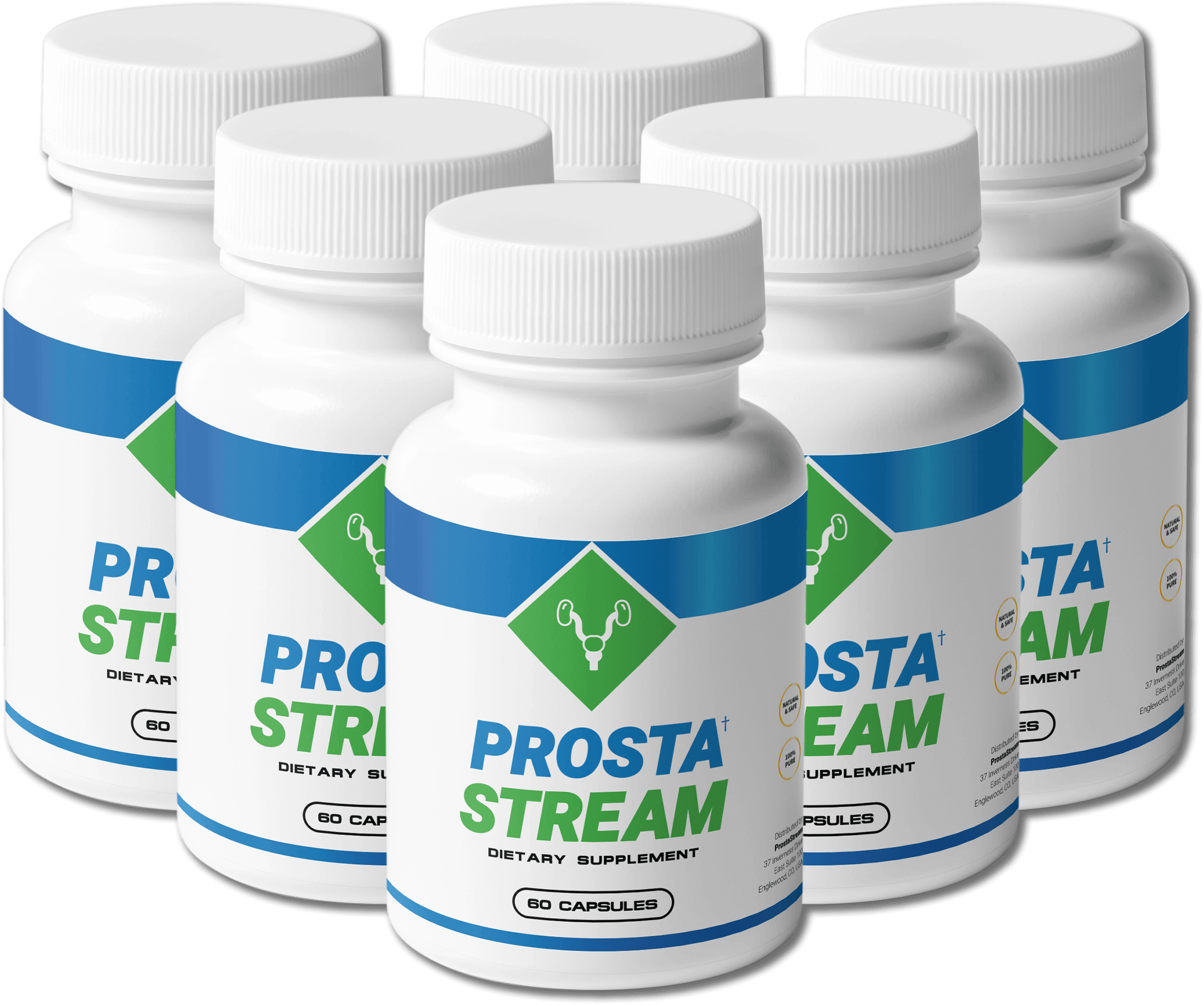
prostastream
ProstaStream is presented as a capsule formula containing saw palmetto, green tea extract, broccoli leaf extract, selenium and vitamins B6 and E. Its sales text claims that saw palmetto prevents prostate cancer, but the excerpt does not supply clinical proof for that claim and supplements should not be used for cancer prevention.

titan flow
Titan Flow is sold as a capsule supplement taken as two capsules daily according to the merchant. The seller names broccoli sprout extract and pygeum and promotes urinary-flow support, but claims about toxins, urethral structure and research backing are not substantiated in the supplied excerpt.
Understanding recurrence and PSA after treatment
After prostate removal, PSA is expected to fall to a very low or undetectable level. After radiation, the prostate remains in place, so PSA usually declines more gradually and may not become undetectable.
A rising PSA can be an early sign of recurrence, but a single result rarely tells the whole story. The absolute level, repeat measurement, doubling time, prior treatment and imaging findings guide decisions about salvage radiation, hormone therapy or continued observation.
- Keep copies of each PSA result, including the date and laboratory.
- Ask what PSA pattern is expected after your specific treatment.
- Do not change treatment because of one unexpected value without confirmation.
- Report new persistent bone pain, unexplained weight loss or worsening weakness.
Questions that make a prognosis discussion useful
Request estimates in plain language and for more than one outcome. A clinician may be able to explain the chance of progression without treatment, likelihood of cure with local treatment, risk of side effects and competing risks from other health conditions.
A second opinion from a urologic oncologist, radiation oncologist or medical oncologist can be valuable when the risk category is unclear or several treatments are reasonable.
- What are my clinical stage, Grade Group and risk category?
- Is the goal surveillance, cure, long-term control or symptom relief?
- What additional test would actually change the plan?
- What is the chance of recurrence, and how would it be detected?
- How do my other medical conditions affect the estimate?
Frequently Asked Questions
Many cancers confined to the prostate can be cured or safely monitored for years. Cure is less likely after distant spread, but treatment may control advanced disease and relieve symptoms for substantial periods.
Not by itself. PSA can rise from cancer, benign enlargement, inflammation and recent prostate manipulation. Prognosis depends on the PSA pattern together with Grade Group, stage, imaging and other findings.
Yes. Pathology from surgery, follow-up PSA results, imaging and treatment response can make the outlook clearer or change the risk estimate.